


TRIMET CUTS CREATE ACCESSIBILITY CHALLENGE FOR MHCC STUDENTS
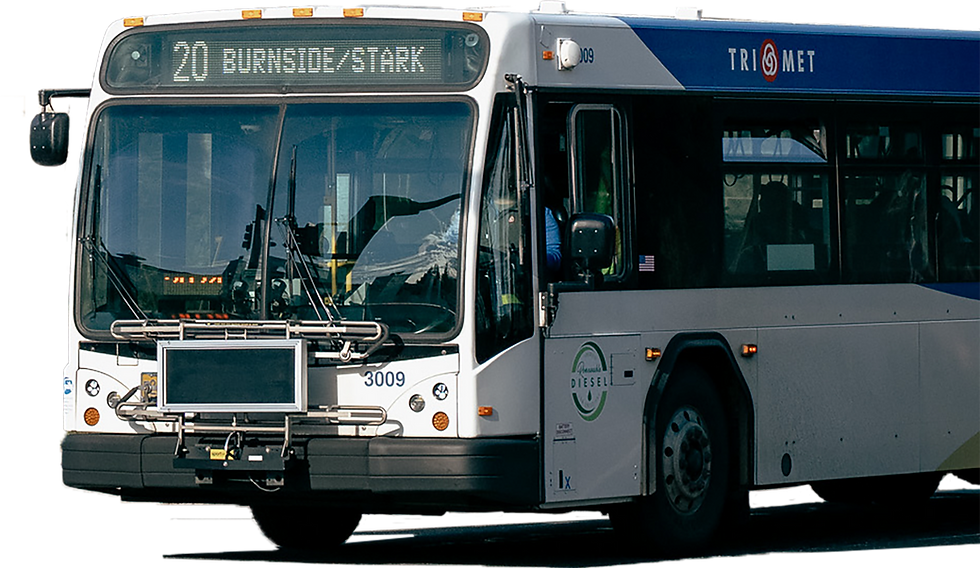
As of Sunday, Aug. 23, 2026, TriMet once again reduced its service offerings, this time adjusting 34 transit lines. The agency is currently looking at a $158 million budget gap and is expected to reduce services even further to balance its budget by 2029. For many Mt Hood Community College students, the changes have spelled longer commute times and uncertainty over transit system reliability.

These cuts come after previous service reductions in March 2026 and November 2025, as well as a major decrease in staffing where approximately 500 positions were eliminated across the company. These cuts affected both union and non-union staff during a broad-scale company reorganization as part of the TriMet 2030 plan, which was adopted in 2025.
While ridership has bounced back to approximately 67 million boardings in 2026 after a major drop during the pandemic, most of TriMet’s budget does not come from rider fares. Instead, it comes from payroll taxes, which have not been increasing at the same rate that costs have gone up, thanks to a constrained labor market. No fare increases have been included in changes for this financial year, but as changes are decided on every two to four years, they are possible by 2029.
The Oregon Legislature tried to pass additional funding to give a 0.3% increase but was unable to do so during either the regular or special sessions; instead it went to the Oregon voters to decide if they’d support an increase. In May 2026, Measure 120 was defeated with a no vote of 83%. This measure would have increased the state’s transit payroll tax from 0.1% to 0.2%, which would have reduced the need for these drastic service cuts by TriMet and other Oregon transit authorities.
The cuts in August included 34 bus lines being combined or reduced to eliminate redundancy, two bus lines being eliminated entirely, LIFT service being reduced, and the MAX Green Line reduced to only service between Clackamas Town Center and Gateway Transit Center. Many of these changes see service after 8 p.m. and on weekends reduced, with a focus on maintaining commuter times and the use of transit lines by high school students.
STUDENTS HAVE REPORTED SIGNIFICANTLY LONGER COMMUTE TIMES...
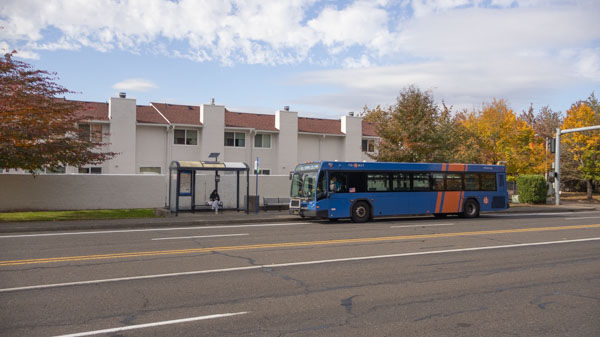
While the 25-Glisan/Troutdale Road bus line that directly services MHCC hasn’t been adjusted as part of the current round of schedule changes, people on campus are still feeling the impact of these cuts. Students have reported significantly longer commute times, frustration over late-night trips having long waits, even on frequent service lines, and a lack of coverage in many areas. One student spoke about how “there is not much more they can take away from this part of town before it affects me a lot, so I am more worried about future changes than the current ones.”

Further service changes are expected by August 2027. As of now, Trimet officials stated that line 63 is going to be significantly reduced to only be available during high school commute times and the route shortened to reflect that usage. Feedback on the future service reductions is expected to start this fall and continue into winter. TriMet has said that it is expecting to see at least a 10% service reduction by July 2028, meaning more lines will be affected.
TriMet is requesting people sign up for emails with updates on service, funding, advocacy events and feedback opportunities.
Management has not announced when more proposals will be made public. While the $44.6 million reduction in spending this fiscal year goes a long way toward balancing the budget, over $110 million remains to be managed, ensuring more service changes between now and July 2029. The only question being precisely what those changes will be.
Comments